When most people think of gardening season, spring comes to mind! Having said that, autumn is actually one of the best times to get outside and plant… Whether you’re looking to add a burst of color to your yard with vivid chrysanthemums and asters, or planning ahead for a stunning spring display, there’s no shortage of beautiful options to choose from. This quick list covers the best flowers you can plant in the fall—along with pro tips to help every garden thrive, from first-time planters to seasoned growers.
For Blooming Flowers You Can Plant in the Fall
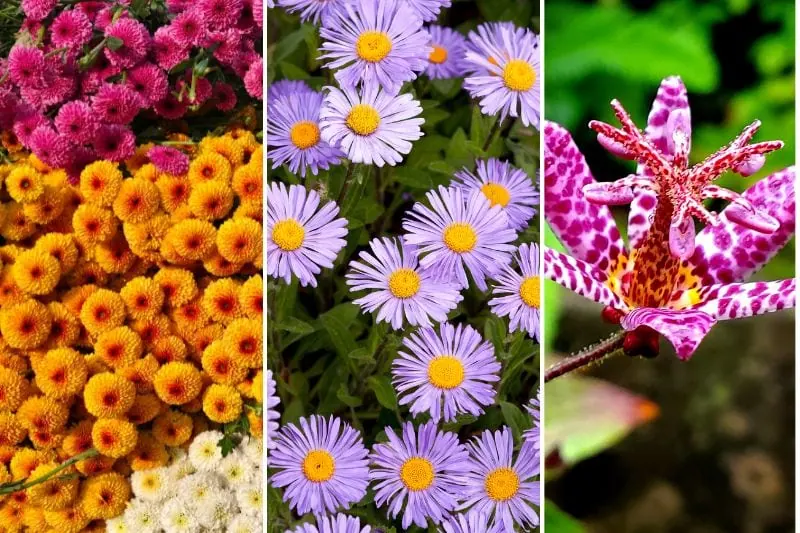
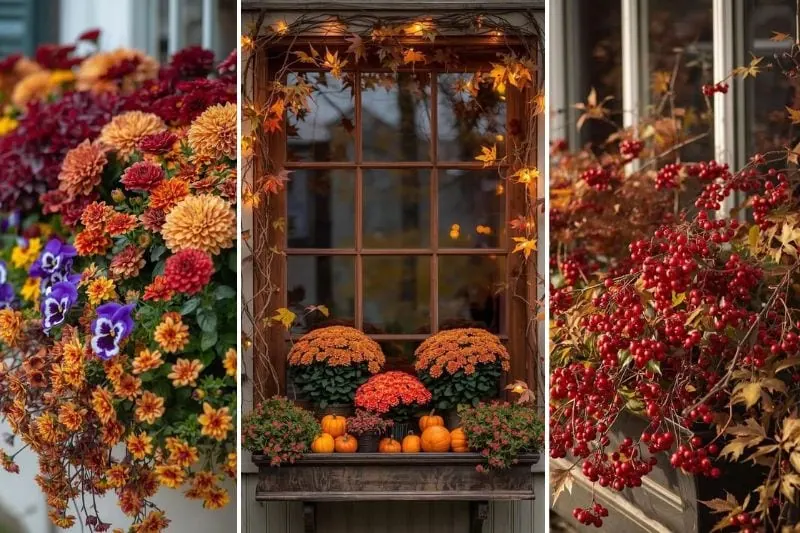
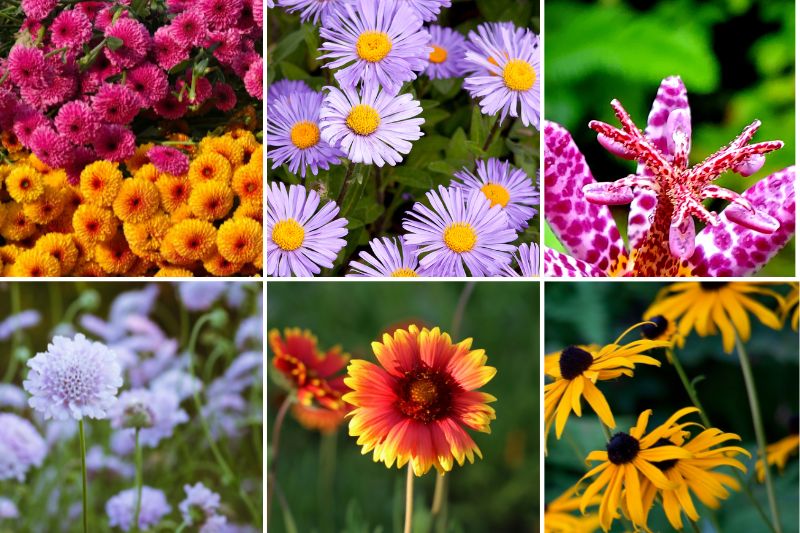
- Chrysanthemums (Mums) — Chrysanthemums are the go-to plant for a fall garden. These quintessential fall flowers are available in yellow, orange, red, white, and purple, they bring in late summer color that covers any corner it touches with constant blooms.
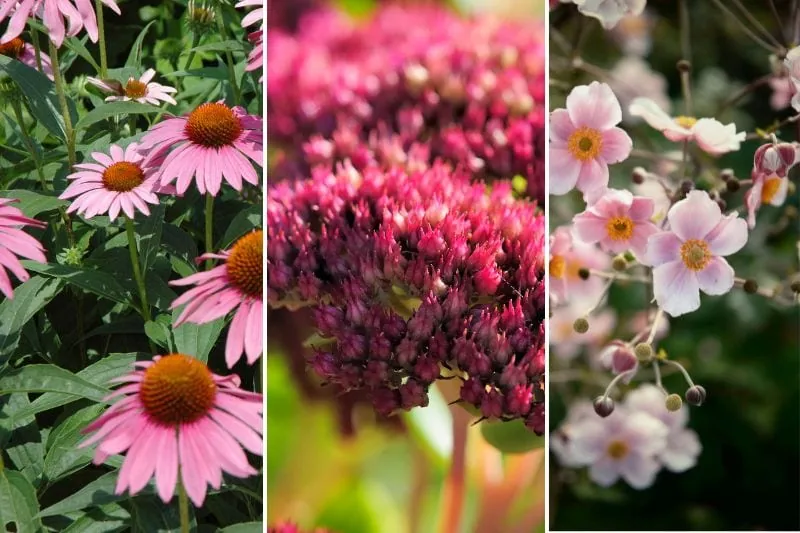
- Asters — A favorite and popular flower on the list of fall-blooming perennials in early fall. Perennial Aster is vivid and provides a pop of color unique to autumn, when provided with a bright spot in full sun. For a pop of cool purple blooms, try Sky Blue Asters.
- Toad Lilies — Orchid-like flowers that introduce charm and elegance to fall gardens. Toad lilies are perfect for those of you in search of fall plants that will bloom in the shade. These small exotic looking flowers will bloom late summer into cooler temperatures of fall when all else is on its way out.
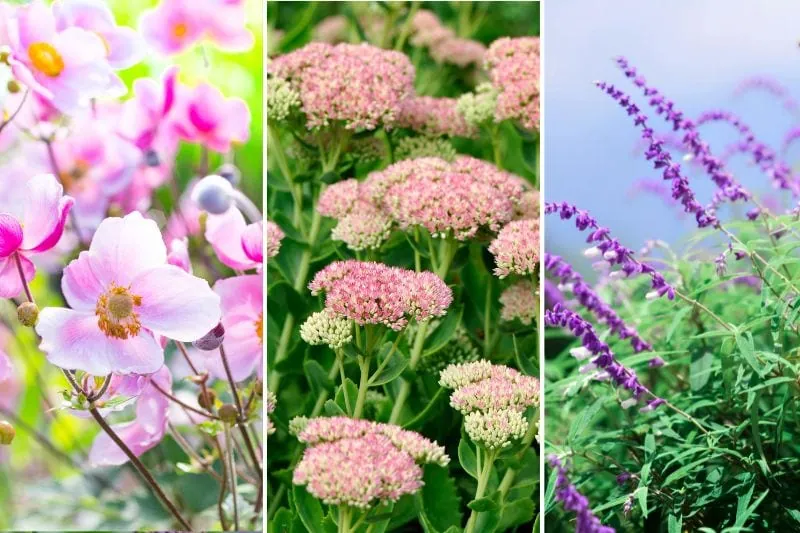
- Japanese Anemones — Another reliable favorite on the list of fall-blooming flowers and flowers you can plant in the fall. Japanese Anemones are delicate and refined. Japanese Anemones add a beautiful addition to autumn landscapes. They’ll sneak in vibrant colors in pink and white. Perfect for any autumn garden that needs a pop of life in late summer. Bonus: it’s a low-maintenance herbaceous perennial, which means you’ll get flowers that return every year.
- Sedum — Sedum (stonecrop) is a hardy flower and a great cool-season flower. It’s basically a succulent with thick, water-storing leaves and little star flowers. It will flourish in full sun and well-draining soil. It’s also a good drought-tolerant perennial that comes in both creeping groundcover and upright varieties.
- Mexican Bush Sage — Mexican bush sage has soft, velvety purple and white flower spikes with sturdy stems that add a tropical touch. It’s heat-tolerant and great for attracting pollinators, including migrating Monarchs.
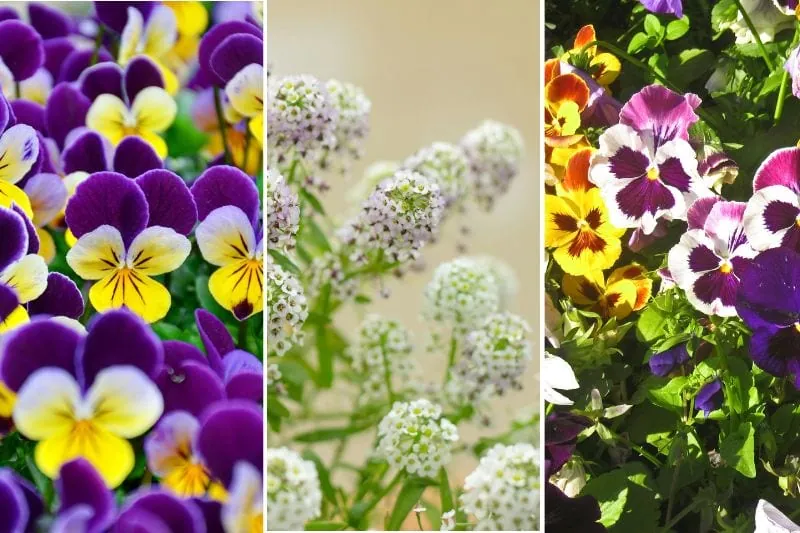
- Pansies & Violas — Pansies and Violas are closely related, cool-season annuals best loved for their bright color in early spring and late autumn season in the fall. They’ll perform well under cool night temperatures and can tolerate a light frost.
- Sweet Alyssum (Lobularia Maritima) — Alyssum is a low-lying herbaceous annual known for its tiny, fragrant flowers. Thriving in cool weather, it blooms continuously from spring to fall and is perfect for borders, containers, or rock gardens. Another reliable autumn garden plant for late-season blooms.
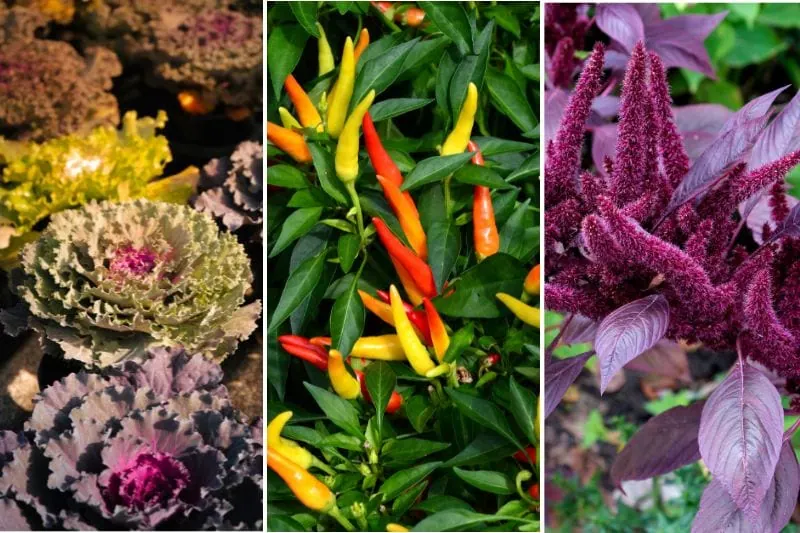
- Ornamental Kale — Ornamental Kale is a cold-hardy plant renowned for its striking texture and color in vibrant pink, purple, and white leaves. Grown primarily for fall décor and winter landscaping rather than eating, its colors actually intensify as temperatures drop, into the cooler months with first frost bringing out the brightest hues in colder months.
- Ornamental Peppers (Capsicum Annuum) — Ornamental Peppers are vibrant plants grown for their colorful fruits rather than for cooking. While they are technically edible, they are largely bred for ornamental purposes. They perform well both indoors as houseplants or outdoors in containers, garden borders, and beds.
- Celosia — Celosia is a vibrant, heat-tolerant summer annual flower famous for its striking, fuzzy and velvety plumes. Celosia will bloom from late spring until the first frost, thriving in full sun and well-draining soil. It’s a low-maintenance favorite for fall garden borders, patio containers, and cut-flower bouquets.
For Reliable Perennials to Plant in Fall for Future Blooms
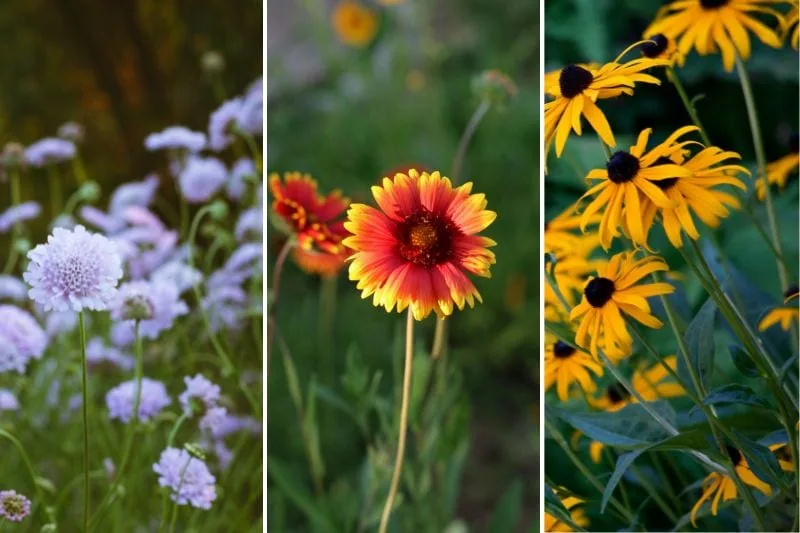
- Pincushion Flower (Scabiosa) — Pincushion Flower is an easy-to-grow plant favored for its domed blooms and pollinator-friendly flowers. Named for the stamens that poke out like sewing pins, it blooms from late spring to the first frost. Pincushion flowers will bloom in April and continue on producing flowers right until frost. They are also deer and drought resistant make them a reliable fall garden bloomer.
- Blanket Flower (Gaillardia) — Blanket flower is a tough, colorful, long-blooming wildflower in the daisy family (Asteraceae) native to North and South America. Known for its ability to handle extreme heat and dry spells, this flowering perennial plant ‘blankets’ the garden bed with bold, warm, fiery red, orange, and yellow daisy-shaped blooms that put on a show from early summer to first fall frost.
- Black-Eyed Susans (Rudbeckia) – The yellow flowers are hardy, sunny wildflowers known for their bright yellow petals and dark-brown centers. They thrive as drought-tolerant annuals or perennials and they’ll bloom from summer to fall putting on reliable shows with blooming color.
- Don’t forget about herbaceous perennials like Blue Star Amsonia or tall fountain grass which will change color / add late atumn season interest to any border or fall garden.
For Bulbs to Plant in Fall that will Bring Spring Color
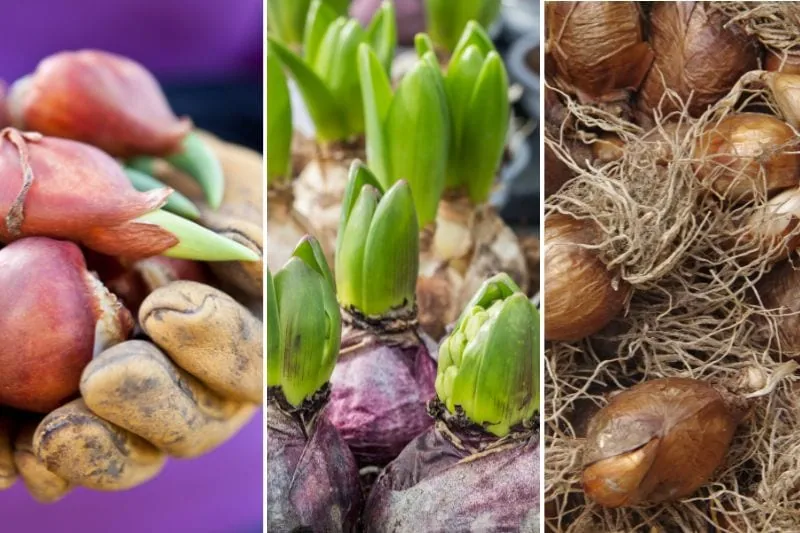
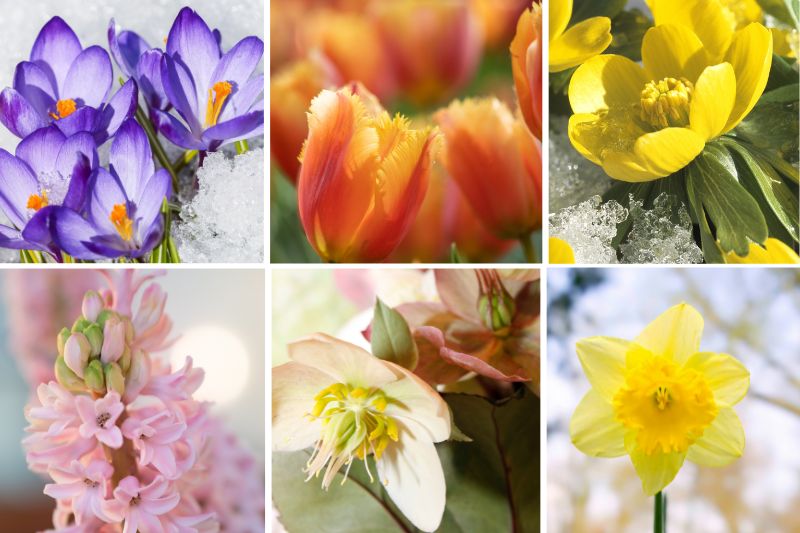
- Tulips — Spring-blooming Tulip bulbs will need a cold period (vernalization) to condition them before blooming in the spring and must be planted in fall to flower later on.
- Hyacinths — Hyacinths are another classic spring bulb that needs fall planting to bloom beautifully come next spring season.
- Daffodils — Daffodil bulbs also make a great choice for fall bulbs since deer and rabbits and squirrels tend to avoid them.
- Grape Hyacinths (Muscari) — Grape Hyacinths are also deer-resistant and a wonderful bulb for early spring color.
For Hardy Annuals to Sow in Fall
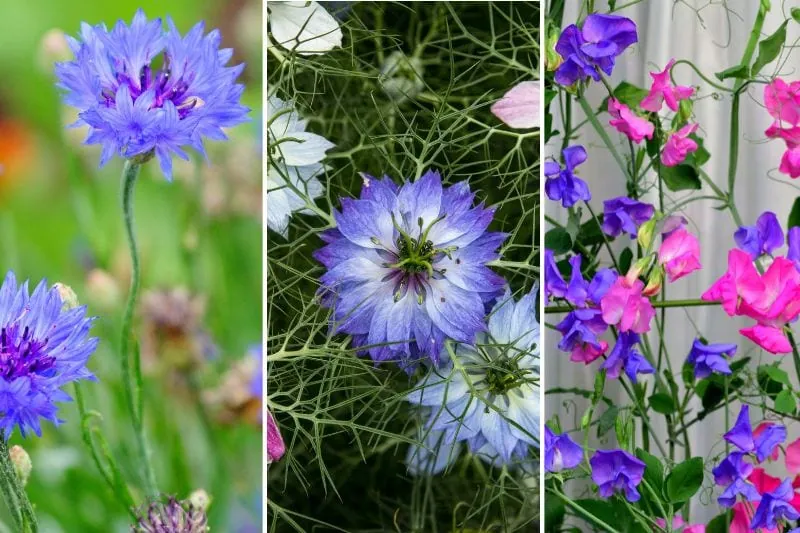
- Bachelor’s Buttons (Cornflowers) — These classic cottage garden flowers come in blue, pink, lavender, and magenta. They are easy to grow for early spring bouquets. They are also known as Cornflowers. They are a hardy and fast-growing annual wildflower that’s made famous for their intense, blue blooms. Usually found in European cornfields, these flowers have become a cottage garden staple worldwide. They’ll bloom spring through summer.
- Love-in-a-Mist (Nigella) — Nigella is an old-fashioned annual wildflower with intricate pointed jewel-shaped petals with blooms nestled in a cloud of airy green foliage. Highly valued for its unique shape and texture, it transitions from spring blossom into unique structural seed pods by late summer. The lacy, star-shaped flowers with fringed foliage will add incredible texture for perfect fall flowers.
- Sweet Peas — These fall-sown plants are classic, climbing annual vines with orange blossom scent and sweet delicate petals. They are cottage garden flower favorite that uses tendrils to climb up and put on a blooming show in cool months.
- Queen Anne’s Lace (Ammi Majus) — Easy to grow with lacy, umbel-shaped flowers that are great in floral arrangements.
Fall Flower Garden Pro Tips:
- Fall planting gives new plants a head start. By planting in the fall, you can produce a bigger earlier show the next coming spring — warm days and cool nights of autumn make for pleasant and successful growing conditions.
- Know your frost dates. Getting the timing right is essential — knowing when frost will sweep through your area is key. When in doubt, do some research and look up your gardening zone info / first last frost dates to become an expert on your specific region.
- Prep your soil well. Make sure the planting area is weeded and free of leaves and debris. Loosen the soil about an inch or two deep, then add compost or other organic matter to improve soil quality in your garden bed. This will help to stimulate root growth.
- Mulch generously. Add a layer of mulch to insulate, warm, and blanket the soil. It will hold moisture better while keeping weeds away.
- Water consistently, but don’t overdo it. Water new plants regularly to give the soil consistent drink, but don’t overwater — standing water can cause root rot.
- Loosen root balls before planting. If the root ball is compacted and tight, wedge the roots apart about an inch to help the roots grab onto new soil.
- Go easy on fertilizer. Avoid applying fertilizer right after planting. Sometimes the new fertilizer can start up new growth that is tender and more vulnerable to any coming frost.
- Try containers for flexibility. Container gardens are a good way to make the most of the fall planting season — you can easily move pots to protected spots if a hard frost threatens.
- Feed naturally when you do fertilize. Use compost soil, manure, kelp, or alfalfa meal to nourish your plants organically.
- Choose bulbs at different bloom times. Choose bulbs that bloom at different times — late winter, early spring, mid spring, and late spring — gives you continuous color throughout the season.
With warm soil still holding the heat of summer, cooler temps, fewer pests, and reliable rains, fall builds up the perfect set of conditions for plants to establish. Don’t be afraid to get out in the garden and build up your list of flowers you can plant in the fall to build up all that luscious atumn color.
It’s not too early to think about Fall Container Plants or to sift through this list of fall perennials to help you prep ahead!